
Background music and public address for shops, pubs, offices, schools and halls.
Build your system with the audio kit builder: ceiling speakers for your home, or 100V speakers, zones and a dance floor for a bar or club. Every speaker is matched to an amplifier that drives it safely, with the TV leads and speaker cable you need, at live prices.
Everything here is from Adastra, a UK commercial audio brand. You can buy a ready-made package that works out of the box, or choose an amplifier, speakers and a microphone and build your own system. Each product page lists the full specification and what else you need.
Which do I need?
Amplifier or mixer-amplifier?
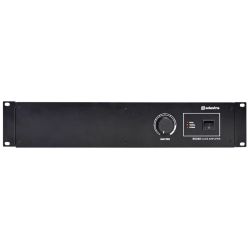
A mixer-amplifier has inputs for a microphone, music and often Bluetooth, USB or a radio built in. It is the whole system in one box, and most shops and offices only need one. A plain amplifier (sometimes called a slave or power amplifier) only makes a signal louder. Use one when you already have a mixer, or to add more power to a large system.
100V line or low impedance (8 ohm)?
100V line is for running many speakers from one amplifier over long cable runs: shops, pubs, warehouses, schools and offices. Add up the watts of every speaker (each 100V speaker has a power setting, for example 6W) and choose an amplifier with at least 20% more. Low impedance (4 or 8 ohm) is for a few speakers close to the amplifier, such as a home, a bar or a meeting room, and gives the best sound quality for music.
How many speakers do I need?
As a rough guide, one ceiling speaker for every 15 to 20 square metres in a shop or office with a normal ceiling height. For louder rooms, outdoor areas or warehouses use wall, horn or column speakers. Our packages already include the right number of speakers for the room size they state.
Do I need a hearing loop?
Public counters, receptions, places of worship and meeting rooms should offer a hearing loop for people who use hearing aids. Choose a loop amplifier by the floor area it covers (for example 300 or 600 square metres).
Guides: Audio kit builder | Commercial audio buying guide (with a worked amplifier-sizing example) | 100V line speakers explained | How does a hearing loop work?
Not sure? Call 01902 902251 or email sales@zenithsecurityco.co.uk with the room size and what you want to play, and we will put the list together with you. We deliver nationally across the UK.
Audio Systems
Background music and public address for shops, pubs, offices, schools and halls.
Build your system with the audio kit builder: ceiling speakers for your home, or 100V speakers, zones and a dance floor for a bar or club. Every speaker is matched to an amplifier that drives it safely, with the TV leads and speaker cable you need, at live prices.
Everything here is from Adastra, a UK commercial audio brand. You can buy a ready-made package that works out of the box, or choose an amplifier, speakers and a microphone and build your own system. Each product page lists the full specification and what else you need.
Which do I need?
Amplifier or mixer-amplifier?
A mixer-amplifier has inputs for a microphone, music and often Bluetooth, USB or a radio built in. It is the whole system in one box, and most shops and offices only need one. A plain amplifier (sometimes called a slave or power amplifier) only makes a signal louder. Use one when you already have a mixer, or to add more power to a large system.
100V line or low impedance (8 ohm)?
100V line is for running many speakers from one amplifier over long cable runs: shops, pubs, warehouses, schools and offices. Add up the watts of every speaker (each 100V speaker has a power setting, for example 6W) and choose an amplifier with at least 20% more. Low impedance (4 or 8 ohm) is for a few speakers close to the amplifier, such as a home, a bar or a meeting room, and gives the best sound quality for music.
How many speakers do I need?
As a rough guide, one ceiling speaker for every 15 to 20 square metres in a shop or office with a normal ceiling height. For louder rooms, outdoor areas or warehouses use wall, horn or column speakers. Our packages already include the right number of speakers for the room size they state.
Do I need a hearing loop?
Public counters, receptions, places of worship and meeting rooms should offer a hearing loop for people who use hearing aids. Choose a loop amplifier by the floor area it covers (for example 300 or 600 square metres).
Guides: Audio kit builder | Commercial audio buying guide (with a worked amplifier-sizing example) | 100V line speakers explained | How does a hearing loop work?
Not sure? Call 01902 902251 or email sales@zenithsecurityco.co.uk with the room size and what you want to play, and we will put the list together with you. We deliver nationally across the UK.
- adastra
- adastra
- adastra
- citronic
- citronic
- citronic
- citronic
- citronic
- citronic
- citronic
- citronic
- citronic
- citronic
- citronic
- citronic
- citronic
- citronic
- citronic
- citronic
- citronic
- citronic